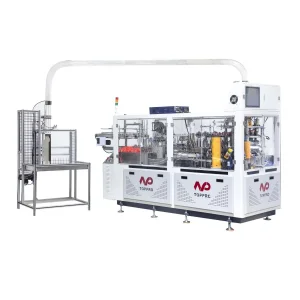
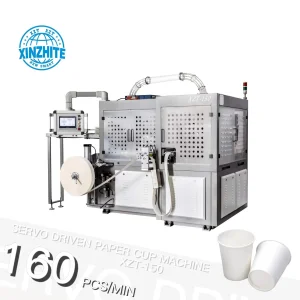
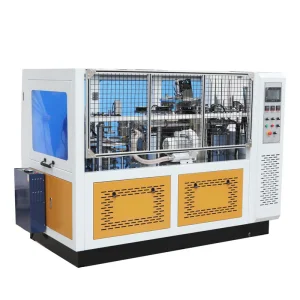
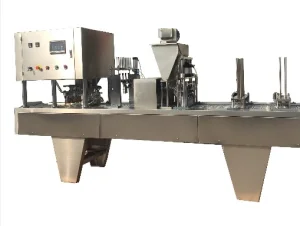
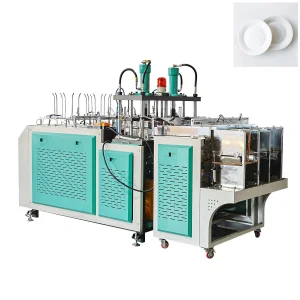
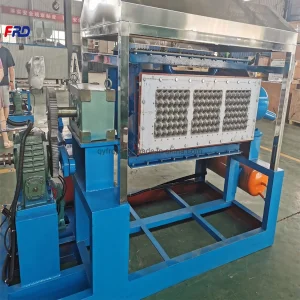
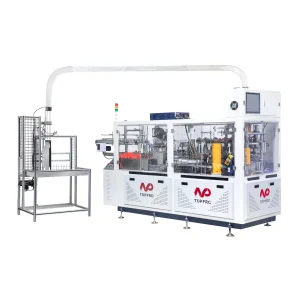
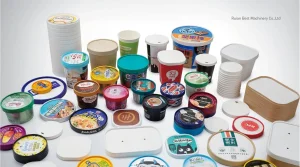
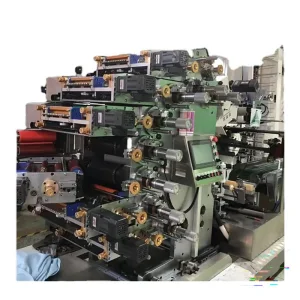
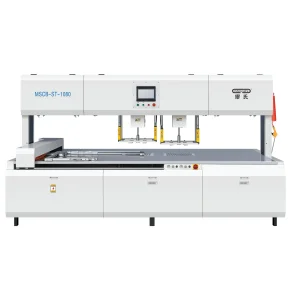
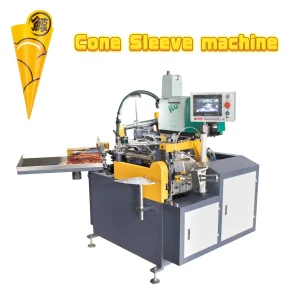
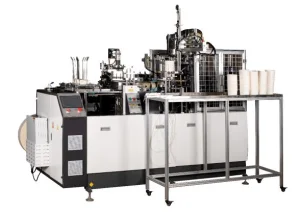
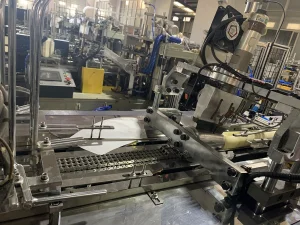
High-speed, automated production systems manufactured under stringent CE and ISO standards.
The global food packaging sector is undergoing a rapid, systemic pivot toward environmental sustainability. Driven by stringent international mandates—such as the European Union’s Single-Use Plastics Directive (EU 2019/904), the United States packaging sustainability acts, and similar legislations across APAC and Latin America—food service operators are actively phasing out petroleum-derived plastics. This paradigm shift has positioned the disposable paper straw machine as a foundational asset for industrial-scale packaging converters.
Operating at this industrial scale requires machinery that doesn't simply roll paper; it must consistently resolve mechanical stress points such as multi-ply adhesive bonding, high-speed dimensional accuracy, and clean-cut tube separation. Today's commercial operators require machinery that outputs biodegradable products capable of withstanding liquid exposure over extended hours without losing structural integrity. Meeting these commercial specifications requires high-efficiency machinery that relies on advanced mechanical architectures.
Modern paper straws are typically constructed using 3 or 4 plies of food-grade virgin kraft paper bonded by specialized water-resistant aqueous adhesive. The machinery must exert exact web tension and adhesive thickness control to ensure the product remains compostable while maintaining functional durability in beverages.
An industrial-grade paper straw machine is a complex, synchronized assembly that manages web unwinding, adhesive coating, spiral winding, profile extrusion sizing, and multi-cutter fly-cutting. China-based manufacturers have redefined this equipment through continuous technological upgrades:
Equipped with multi-knife systems controlled by independent servo motors, achieving clean-cut, burr-free straw ends at extreme linear speeds.
Automated magnetic powder brakes control unwinding tension, ensuring the continuous paper web feeds without tearing or structural variance.
Industrial PLC human-machine interfaces allow micro-adjustments to speed, cut length, and adhesive volume dynamically.
Modern setups have integrated dual-layer and triple-layer spiral winders that utilize precise angle adjusters. If the winding angle deviates by even a fraction of a degree, the straw will display structural spiraling issues or fail to match diameter tolerances, resulting in scrap.
Industrial Leader in High-Speed Paper Container and Eco-Friendly Packaging Solutions
Located in Feiyun New District, Ruian City, Zhejiang Province—the heartland of China's packaging machinery industry cluster—Zhejiang Jinli Machinery Co., Ltd stands as an innovative, technology-driven enterprise. Spanning a modern manufacturing plant of approximately 2,000 square meters and employing over 50 highly specialized mechanical engineers and technical staff, Jinli Machinery integrates advanced scientific research, custom mechanical design, high-precision production, and global export services.
With an average annual output value exceeding 10 million RMB, the company leverages a robust technical force and sophisticated CNC machining equipment. Our equipment is exported globally, servicing major packaging converters in Germany, Egypt, the Philippines, Australia, New Zealand, Turkey, India, South Korea, Jordan, Oman, and beyond.
Our core product lineup includes state-of-the-art Paper Cup Machines, Fully Automatic Paper Bowl Machines, Open Cam Paper Bowl Machines, and Cup Cake Forming Machines. This technical foundation allows us to implement the same level of speed, precision, and multi-axis servo synchronization across our eco-friendly paper packaging lines.
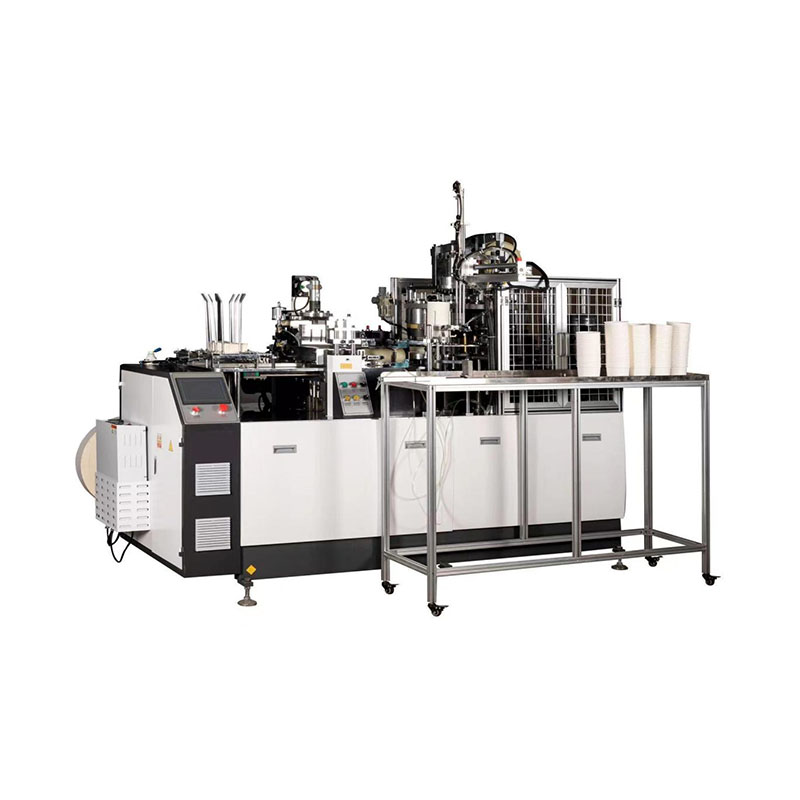
International buyers sourcing machinery look to China not merely for cost efficiencies, but for its unparalleled industrial ecosystem. In places like Ruian, Zhejiang, the proximity of component suppliers (such as heavy-duty cam manufacturers, electric motor winders, and PLC programming houses) accelerates both prototyping and supply-chain logistics.
This localized industrial concentration results in major advantages for the global purchaser:
When drafting a procurement checklist, buyers should evaluate critical engineering parameters rather than relying solely on price-per-unit. A low-tier machine often compromises on structural weight—causing vibrations at speeds above 50m/min—or uses lower-quality heating elements, resulting in poor seam seal quality on paper cups or straws. High-quality manufacturers like Zhejiang Jinli Machinery focus heavily on mechanical rigidity, low noise thresholds, and thermal regulation to guarantee longevity.
Technical and procurement answers directly from our engineering team
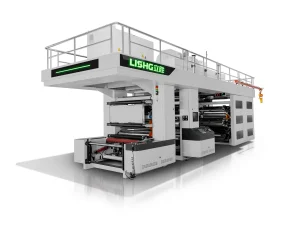
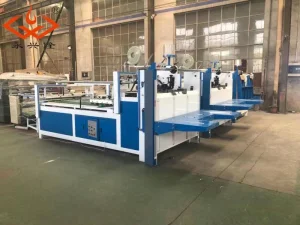
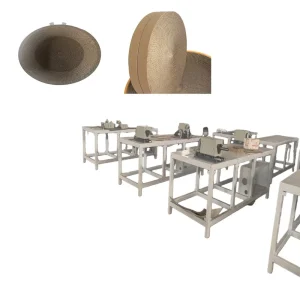
Complete auxiliary lines for packaging recycling, printing, and automated container formation.
 Jinli Machinery