Why Is Training Workers Essential for Safe Paper Forming Equipment Operation?

Time:2026-05-19 Author:Madeline
0%

In the realm of paper production, safety is paramount. The operation of paper forming equipment poses inherent risks. Workers must be adequately trained to mitigate these hazards. Knowing how to train workers to operate paper forming equipment safely is crucial for any organization.

Effective training programs encompass various aspects. They should include hands-on practice, safety protocols, and emergency response procedures. Engaging workers with real-life scenarios can enhance their understanding of potential risks. However, it's essential to acknowledge that even the best training may have its flaws. Some workers may overlook safety guidelines when under pressure. Continuous evaluation of training effectiveness is vital.

Creating a culture of safety requires commitment from all levels of management. Regular refresher courses can keep safety top of mind. Feedback from workers on training sessions can help refine the program. Safety is not a one-time effort; it's an ongoing journey. Overall, investing in proper training is not just a regulatory obligation; it is an ethical responsibility that protects both workers and the organization.
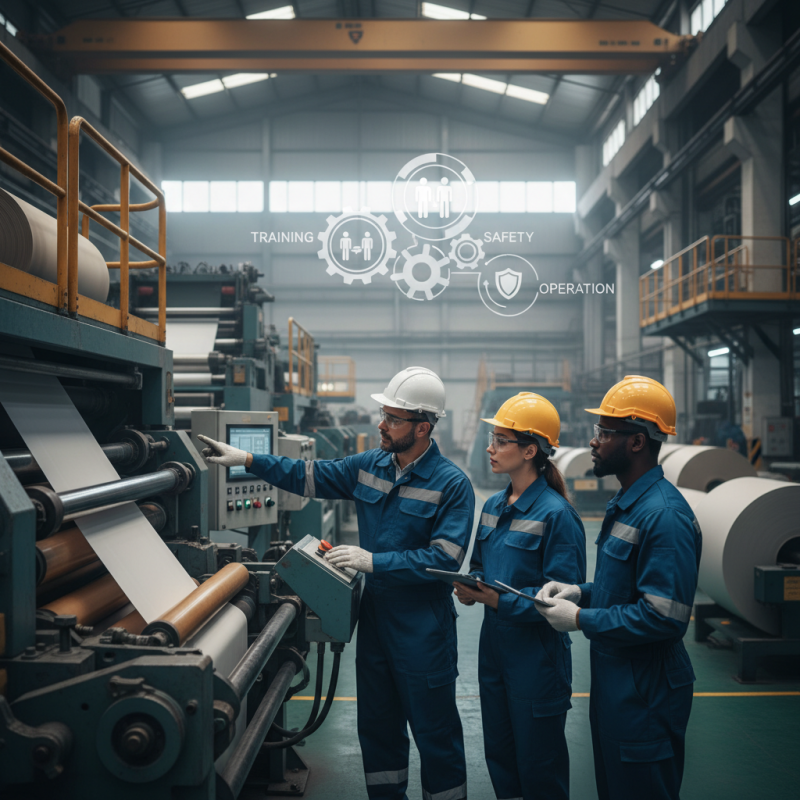
Why Is Training Workers Essential for Safe Paper Forming Equipment Operation?

Importance of Training in Paper Forming Equipment Operation

Training in paper forming equipment operation is crucial for workplace safety. Research indicates that over 40% of workplace incidents are linked to inadequate training. When employees lack proper skills, it can lead to equipment mishandling. This oversight not only risks physical harm but also results in costly delays. Thus, effective training is not just a regulatory requirement; it's an essential investment in operational efficiency.

Detailed training programs enhance an employee's ability to understand machinery. For example, operators trained in specific equipment setups report a 30% reduction in downtime. Visual aids, hands-on sessions, and simulations should be part of this training. These methods promote better retention of information. Even with comprehensive training, some workers still face challenges. Ongoing evaluations can help identify gaps in knowledge that need addressing.

Additionally, outdated training methods can hinder progress. Many companies rely solely on manuals, leaving employees ill-prepared. Incorporating real-world scenarios during training builds essential problem-solving skills. A comprehensive approach helps create a safer work environment. Equipment operators need to feel confident when using machines, as confidence impacts performance. The goal should be to create a culture of safety through effective training.

Importance of Training in Paper Forming Equipment Operation

This chart illustrates the importance of various aspects of training for safe operation of paper forming equipment. A higher score indicates a greater necessity for training in that area.

Key Risks Associated with Improper Equipment Use

Improper use of paper forming equipment can lead to serious risks. According to a report from the Occupational Safety and Health Administration (OSHA), about 3% of all workplace injuries in manufacturing are related to equipment misuse. This highlights a significant concern.

One key risk is operator injury. Workers may suffer from repetitive strain, lacerations, or even crushed limbs. The National Safety Council states that machinery injuries account for nearly 800 fatalities annually in the U.S. alone. This data illustrates the gravity of the situation.

Beyond physical injuries, improper operation can affect the quality of products. Defects lead to waste, which costs companies significantly. The manufacturing sector loses about $30 billion each year due to poor quality control. Training workers is not just about safety; it’s also a matter of financial health for businesses.

Why Is Training Workers Essential for Safe Paper Forming Equipment Operation? - Key Risks Associated with Improper Equipment Use

Risk Factor Description Potential Consequences Training Requirement
Incorrect Setup Failure to properly set up paper forming equipment can lead to malfunction. Equipment damage, product defects, safety hazards. Comprehensive setup training.
Inadequate Operation Operators may not fully understand how to operate machinery correctly. Increased risk of accidents, production delays. Hands-on operational training and assessments.
Safety Protocol Ignorance Neglecting established safety protocols can lead to dangerous workplace conditions. Injuries, legal repercussions, increased insurance costs. Regular safety protocol training and updates.
Poor Maintenance Practices Improper or neglected maintenance can lead to machine failures. Operational downtime, costly repairs, safety risks. Training on proper maintenance procedures.
Failure to Recognize Hazards Workers may not identify hazards associated with operation. Increased likelihood of accidents and injuries. Hazard recognition training and drills.

Essential Skills and Knowledge for Safe Operation

Training workers for safe paper forming equipment operation is vital. Proper training equips employees with essential skills and knowledge. Without adequate training, accidents can occur. The paper manufacturing industry reported a 20% increase in injuries related to untrained workers in the last five years. This highlights the risks of neglecting training programs.

Workers should learn about machine components and safety protocols. Understanding the equipment's mechanics ensures better handling and minimizes mistakes. A study showed that trained operators perform tasks 40% faster than their untrained counterparts. This efficiency not only boosts productivity but also enhances safety. Employees should also be familiar with emergency protocols, as unexpected situations can arise.

Furthermore, ongoing training is crucial. Skills can fade without regular reinforcement. A survey found that 30% of companies only conduct initial training. This gap can lead to outdated knowledge and unsafe practices. Regular updates on safety procedures and equipment advancements keep workers informed and vigilant. Industry experts advocate for continuous education to maintain high safety standards.

Components of an Effective Training Program

Training workers is critical for safe paper forming equipment operation. An effective training program includes several components that ensure both workers' safety and equipment efficiency. It starts with a clear understanding of the machinery. Workers need to learn how each part functions. This knowledge helps prevent accidents caused by unfamiliarity.

Hands-on training is another vital aspect. Simulating real-life scenarios can enhance learning. Workers should practice under supervision to build confidence. This exercise helps them react appropriately during actual operations. Regular assessments can identify areas for improvement. Trainers may not always consider each individual's learning pace, leading to gaps in knowledge.

Feedback sessions allow participants to discuss their experiences. Sometimes, workers might overlook certain safety features. Encouraging open communication fosters a culture of safety and awareness. Moreover, ongoing training can adapt to technological advancements. Workers can stay updated with the latest best practices. This adaptability is essential in a constantly evolving environment.

Ongoing Training and Evaluation for Safety Compliance

Ongoing training is vital in ensuring the safe operation of paper forming equipment. Workers must not only understand how to use these machines but also comprehend the risks involved. Regular training sessions help identify potential hazards and teach proper equipment handling. Evaluating employee performance can highlight areas needing improvement and reinforce safe practices.

Tips for effective training: Conduct hands-on sessions frequently. Real-life scenarios enhance learning. Emphasize the importance of communication during operations. Workers should feel free to report any safety concerns without fear. This environment fosters accountability and promotes a culture of safety.

It’s easy to overlook routine evaluations. Workers may become complacent over time. Regular assessments can uncover knowledge gaps and reinforce critical safety protocols. Encourage self-reflection among employees. They should consider their comfort level with the equipment and seek help when unsure. This step is crucial for maintaining a safe working environment.

FAQS

: What are the main risks of improper equipment use?

: Key risks include operator injury and product quality issues. Both can have serious consequences.

How do workplace injuries relate to equipment misuse?

About 3% of manufacturing injuries arise from equipment misuse, indicating a significant safety concern.

What types of injuries can occur from improper equipment use?

Workers may face repetitive strain, lacerations, or crushed limbs due to mishandling machinery.

What is the impact of machinery injuries nationally?

In the U.S., nearly 800 fatalities occur annually due to machinery-related injuries, emphasizing the seriousness of the issue.

How does poor product quality affect companies?

Defective products lead to waste, costing manufacturers approximately $30 billion each year.

Why is training important for equipment operation?

Training ensures worker safety and enhances equipment efficiency, reducing the risk of accidents.

What should a training program include?

Training should cover machinery functions, hands-on practice, and regular assessments for continuous improvement.

How can feedback improve training effectiveness?

Open communication allows workers to share experiences, which can highlight overlooked safety features.

Why is ongoing training necessary?

Ongoing training helps workers stay updated with technology and best practices in a changing environment.

Conclusion

Training workers to operate paper forming equipment safely is crucial for ensuring a safe working environment and preventing accidents. The operation of such machinery poses key risks, including mechanical failure and operator injury, which can result from improper usage. Therefore, it is essential to equip employees with the necessary skills and knowledge about the equipment's functions, safety protocols, and risk management strategies.

An effective training program should encompass comprehensive education on equipment components and safe operational techniques. Continuous training and evaluation must also be implemented to maintain safety compliance over time. Regular assessments and refresher courses can significantly enhance workers' competencies, ensuring that they are well-prepared to handle paper forming equipment safely and responsibly. In summary, understanding how to train workers to operate paper forming equipment safely is vital for minimizing risks and promoting a culture of safety in the workplace.

Madeline

Madeline

Madeline is a dedicated marketing professional with a wealth of expertise in our company's core offerings. With a keen understanding of the industry, she brings a unique perspective to her role, consistently delivering high-quality content that highlights the superior aspects of our products. As......