In the fast-paced world of packaging technology, understanding "How does an automatic paper cup forming machine work" is crucial. According to Dr. Emily Chen, a leading expert in manufacturing processes, "These machines reflect the intersection of engineering and efficiency." Her insight highlights the importance of innovation in production.
Automatic paper cup forming machines play a vital role in our daily lives. From coffee shops to fast-food restaurants, these machines ensure a steady supply of disposable cups. The process begins with feeding paper rolls. The machine then molds, shapes, and glues the paper precisely. At the end, cups emerge ready for use.
Despite advancements, there are areas for improvement. For instance, energy consumption remains a concern. Engineers constantly seek ways to enhance efficiency while minimizing waste. The balance between speed and quality often needs reflection. Understanding these challenges can lead to better solutions in the future.
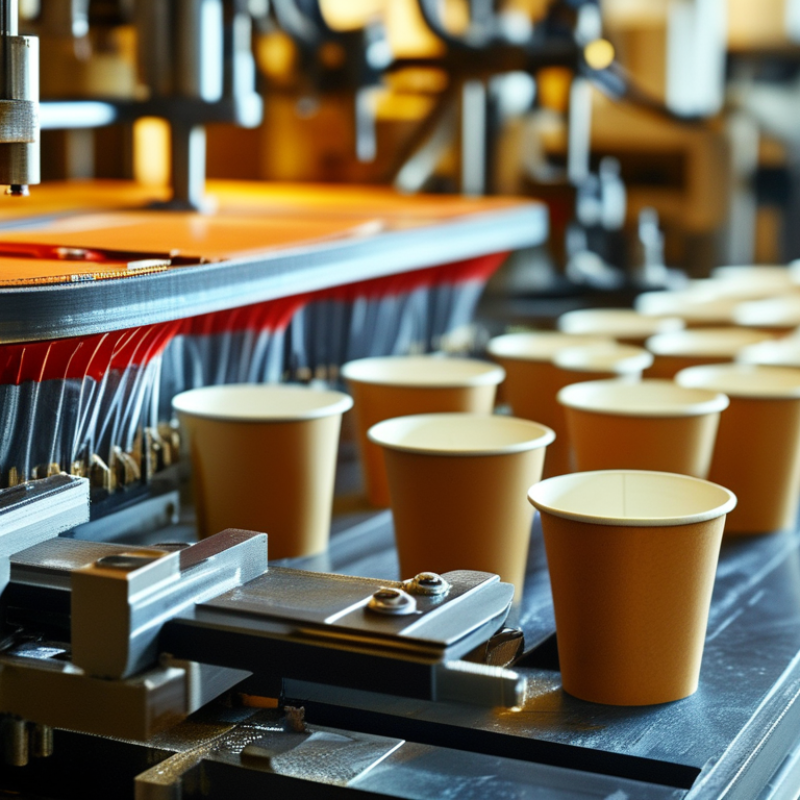
Overview of Automatic Paper Cup Forming Machines
Automatic paper cup forming machines play a crucial role in manufacturing disposable cups. These machines streamline the production process. They transform flat paper sheets into ready-to-use cups efficiently.
The process begins with feeding paper rolls into the machine. These rolls are unwound and cut into specific shapes. Next, an intricate folding mechanism shapes the paper into a cup form. This stage requires precision; otherwise, the cups may not hold liquids properly.
Once formed, the cups undergo a sealing process, ensuring they are waterproof. Heat is often used for adhesive application. While automation enhances efficiency, occasional machine malfunctions can occur. Regular maintenance is essential for optimal operation. Understanding these machines requires both technical knowledge and hands-on experience. They are vital in the production of countless cups used daily.
Key Components of a Paper Cup Forming Machine
The core components of a paper cup forming machine are crucial for its operation. These machines typically consist of a feeder, a mold, and a sealing unit. The feeder supplies the paper rolls, which are cut to size. Precision is key here; even slight misalignment can cause defects in the final cups.
The mold shapes the cups. It is designed to create cups of various sizes and styles. The temperature and pressure must be carefully monitored during the molding process to ensure the cups are durable and properly formed. The sealing unit then bonds the cup seams securely.
While many machines operate efficiently, not all designs are foolproof. Some may struggle with certain paper grades, leading to quality issues. Maintenance is another aspect that cannot be overlooked. Regular checks are essential, as wear and tear can lead to unpredictable outcomes. Each component plays a role in the machine’s overall performance, underscoring the importance of regular assessments and adjustments.
Step-by-Step Process of Paper Cup Formation
The formation of a paper cup involves several key steps. Initially, the machine draws a continuous roll of paper. This paper gets cut into specific shapes, which form the cup body. The precision in cutting ensures no material is wasted, maximizing efficiency.
Next, the machine shapes the paper into a cup. It uses heat to bond the edges securely. This process is crucial for maintaining the cup's strength. Some machines employ a mold to create perfect curves. The cups are then moved to the drying stage, where heat solidifies the bonds, completing the formation.
Tips: Regular maintenance of the forming machine is vital. Check for wear in the cutting blades; dull blades can result in irregular shapes. Additionally, monitor the paper quality. Variations in thickness can lead to inconsistent cup quality.
Finally, the formed cups are packed for distribution. They undergo quality checks to ensure they meet standards. Maintaining rigorous quality control can reduce waste and improve production efficiency. With the right processes, paper cup production can be both effective and sustainable.
Quality Control Measures in Paper Cup Production
Quality control is essential in paper cup production. It ensures that each cup meets industry standards. A study from the Paper Cup Alliance noted that approximately 30% of paper cups fail during quality testing. This statistic highlights the need for stringent quality control measures.
Regular inspections during the production process can catch defects early. Machines should be calibrated frequently. A report from Smithers indicates that nearly 70% of defects arise from improper machine settings. Implementing a robust training program for operators can significantly reduce errors. Workers need to understand the critical aspects of cup quality, from material selection to final checks.
Additionally, maintaining supplier relationships is crucial. High-quality raw materials lead to better outcomes. The Institute of Packaging Professionals emphasizes that inconsistent paper quality contributes to an increase in waste. Focusing on quality at every stage can help ensure a reliable product. However, achieving this is ongoing and requires consistent reflection and adjustment.
Applications and Benefits of Automatic Paper Cup Forming Machines
Automatic paper cup forming machines are revolutionizing the food and beverage industry. Their efficiency streamlines production, making them invaluable for companies. According to market research, the global demand for disposable paper cups is projected to reach 300 billion units by 2026. This surge is driven by the growing emphasis on eco-friendly alternatives to plastic, pushing manufacturers to adopt these automated solutions.
The advantages of these machines extend beyond just volume. They significantly reduce labor costs due to automation, which streamlines the production process. For instance, a typical machine can produce 40 cups per minute, cutting production time drastically. These machines are versatile, capable of creating various cup sizes and designs. However, there are challenges. Continuous maintenance is crucial to avoid breakdowns that can halt production. Additionally, frequent adjustments to accommodate different cup styles may lead to inconsistencies.
Another notable benefit lies in waste reduction. Manufacturers report an up to 20% decrease in material waste due to precise cutting and forming technology. Yet, the initial investment in such machinery can be substantial, creating barriers for smaller businesses. As the market evolves, exploring financing options might be necessary for these companies to stay competitive while embracing sustainable practices.
Applications and Benefits of Automatic Paper Cup Forming Machines
FAQS
: They are essential for manufacturing disposable cups. They transform flat paper sheets into ready-to-use cups.
Paper rolls are fed into the machine. These rolls are cut and folded into cup shapes.
Precise folding ensures cups hold liquids properly. Any errors can lead to leaks or defects.
The cups undergo a sealing process to make them waterproof. Heat is applied for adhesive use.
While automation improves efficiency, issues can arise. Regular maintenance is key to preventing problems.
It's vital to meet industry standards. Studies show that about 30% of cups fail quality testing.
Regular inspections and machine calibrations are essential. Operator training also plays a significant role.
High-quality materials lead to better cups. Inconsistent paper quality can increase waste and defects.
Continuous adjustment improves processes and quality. It's an essential part of achieving reliable products.
They must understand many factors, from material choice to final checks. It's a complex process that demands focus.
Conclusion
Automatic paper cup forming machines play a vital role in the mass production of disposable cups used in various sectors, including food and beverage. Understanding how does an automatic paper cup forming machine work involves a detailed look at its key components such as the paper feeding system, forming section, and heat sealing mechanisms. These machines utilize a precise step-by-step process, starting from feeding the paper roll to shaping, trimming, and sealing the cup.
Quality control measures are integrated throughout the production to ensure each cup meets safety and durability standards. The applications of these machines are extensive, offering significant benefits like increased efficiency, cost-effectiveness, and consistent product quality, making them an essential component in modern manufacturing environments.

 Jinli Machinery